
The Secret Weapon in Oil & Gas: Why Guar Gum is Unstoppable
When people think of oil and gas extraction, they usually imagine massive steel drills and high-tech sensors. They rarely think of a humble bean grown primarily in the semi-arid regions of India and Pakistan.
However, guar gum has become the industry’s “secret weapon.” Specifically, high-grade formulations like Purix Science Guar Gum are proving that nature often provides the best solutions for complex engineering challenges.
What is Guar Gum?
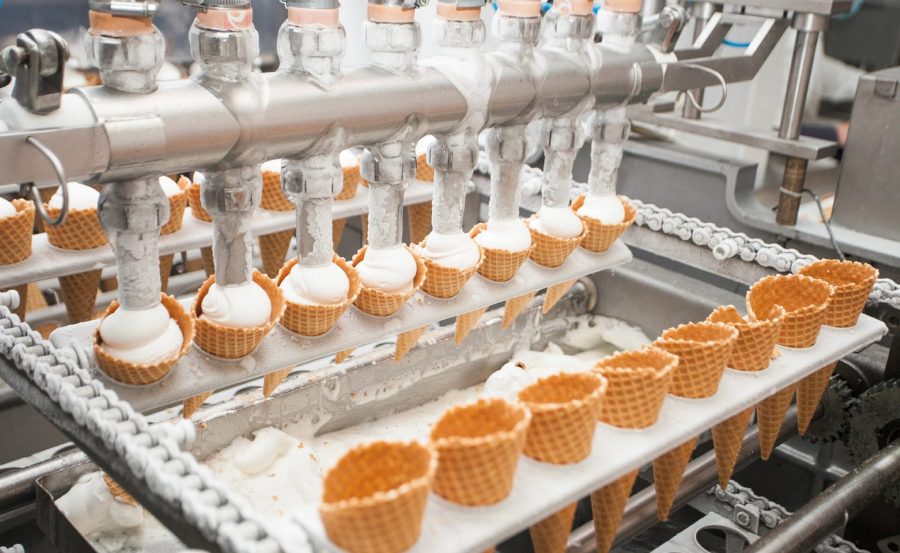
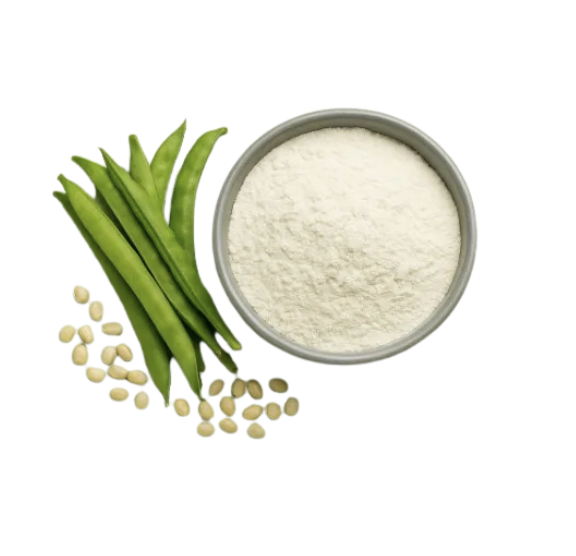
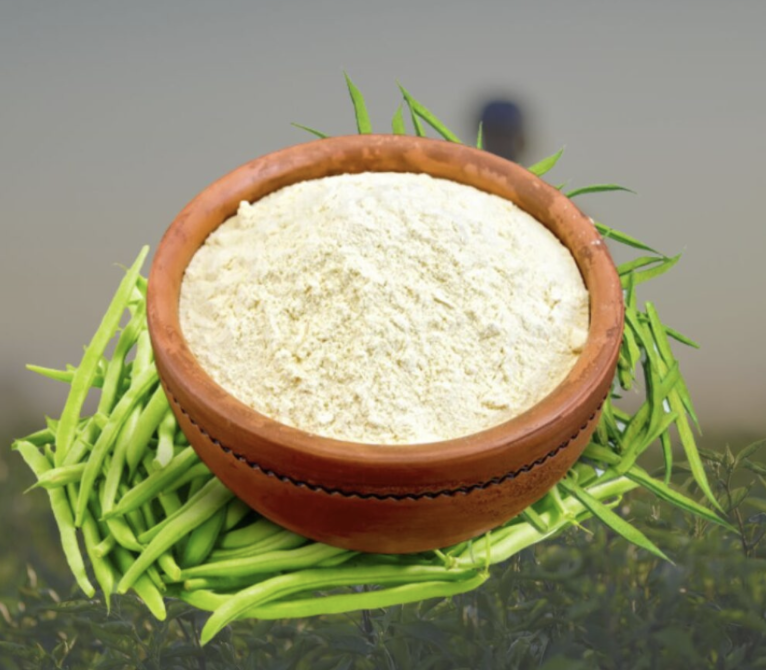
At its core, guar gum is a natural polysaccharide extracted from the endosperm of the guar seed (Cyamopsis tetragonoloba). While it’s commonly found in your favorite ice cream or salad dressing as a thickener, its industrial applications are where it truly flexes its muscles.
Why the Oil & Gas Industry is Obsessed
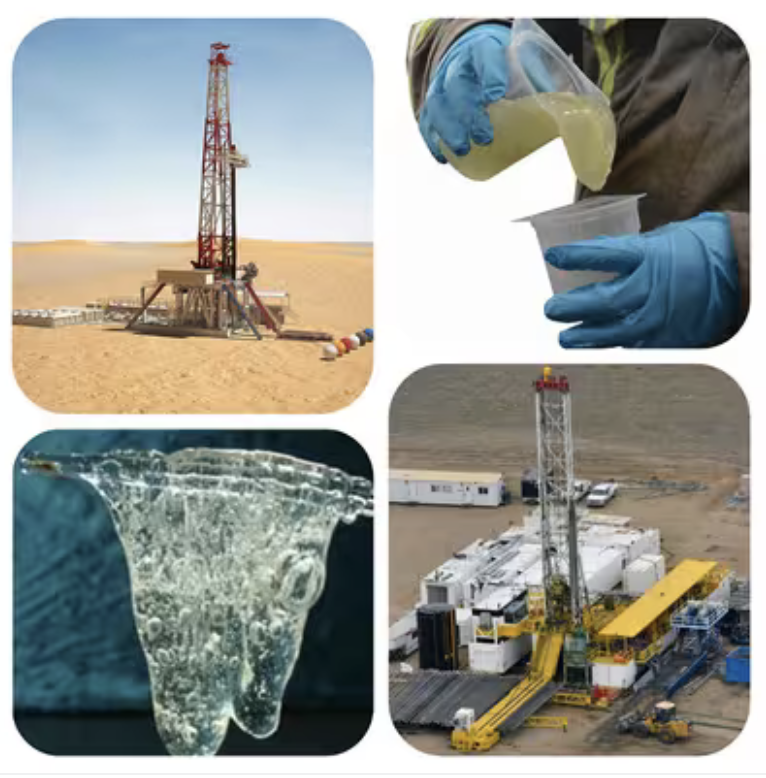
The primary reason guar gum is indispensable in energy extraction is its incredible ability to manage viscosity. In the world of hydraulic fracturing (fracking), it performs two critical roles:
- Proppant Transport: Guar gum thickens water into a gel-like consistency. This high viscosity allows the fluid to carry “proppants” (like sand or ceramic beads) deep into rock fractures without them settling too early.
- Friction Reduction: Even though it thickens the fluid, it simultaneously reduces friction as the liquid is pumped at high pressure through narrow pipes, saving massive amounts of energy.
The Purix Science Advantage
Not all guar is created equal. In deep-well environments, the “science” part of the name matters. Purix Science Guar Gumm is engineered to withstand the extreme conditions found miles underground:
A Sustainable Powerhouse
In an era where the industry is under pressure to find “greener” solutions, guar gum stands out. It is biodegradable, non-toxic, and renewable. By choosing a natural polysaccharide over synthetic polymers, companies can reduce their environmental footprint without sacrificing performance.
1. What exactly is Purix Science Guar Gum?
Purix Science Guar Gum is a high-grade natural polysaccharide derived from the endosperm of the guar plant (Cyamopsis tetragonoloba). Unlike standard food-grade guar, our “Science” line is technically engineered for ultra-high viscosity and rapid hydration, making it ideal for the demanding environments of the mining and oil & gas sectors.
2. Why is guar gum used in oil and gas wells?
In the oil industry, it acts as a powerful viscosifier. When mixed with water, it creates a thick, stable gel that can:
- Suspend Proppants: It carries sand or ceramic beads deep into rock fractures during hydraulic fracturing.
- Reduce Friction: It acts as a lubricant, allowing fluids to be pumped at high pressures with less energy.
- Control Fluid Loss: It forms a thin “filter cake” on wellbore walls to prevent precious fluids from leaking into surrounding rock.
3. How does “Fast Hydration” guar gum differ from regular guar?
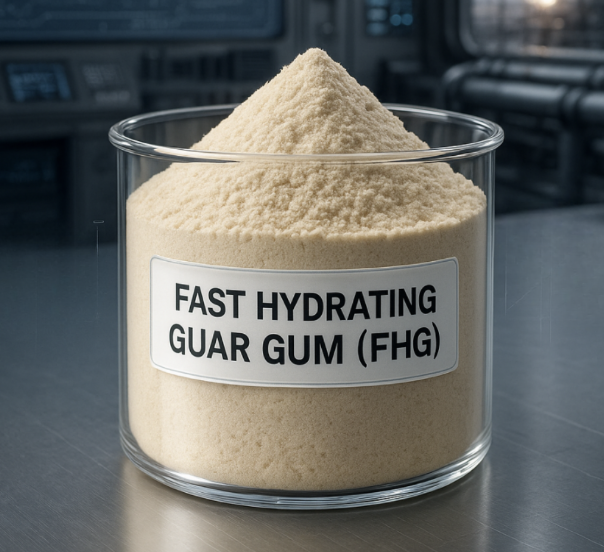
Standard guar gum can take time to reach its full thickness. Fast Hydrating Guar (FHG), like the Purix Science TG 0578 GG, is processed to achieve 90–95% of its viscosity within just 10–15 minutes. This speed is critical for continuous-mix operations at the wellsite, reducing downtime and increasing efficiency.
4. Is guar gum environmentally friendly?
Yes! One of the biggest advantages of using a natural polysaccharide is that it is biodegradable and non-toxic. Unlike synthetic polymers, guar gum breaks down naturally over time, especially when treated with enzyme “breakers” after the drilling or fracturing process is complete.
5. Can Purix Science Guar Gum handle high temperatures?
Absolutely. While natural gums can degrade in extreme heat, our industrial-grade formulations are engineered for thermal stability. They can maintain their structural integrity in temperatures ranging from 120°C to 180°C, ensuring performance in deep-well environments where lesser products might fail.
The Strategic Advantages of Guar Gum in Drilling Fluids
1. Exceptional Viscosity Control
Guar gum is a premier “thickener.” Even at low concentrations, it significantly increases the viscosity of drilling fluids. This is crucial for hole cleaning—the thick fluid ensures that drill cuttings (rock fragments) are carried effectively from the bottom of the wellbore back up to the surface.
2. Superior Friction Reduction
Despite its thickening power, guar gum creates a “slick” environment. It reduces the turbulent friction of the fluid as it is pumped through the drill pipe
- The Result: Less wear and tear on expensive pumping equipment and lower fuel consumption during operations.
3. Advanced Filtration Control (Fluid Loss)
One of the biggest risks in drilling is “fluid loss,” where the liquid part of the mud leaks into the surrounding porous rock.
- The Solution: Guar gum molecules create a thin, low-permeability filter cake on the walls of the wellbore. This seals the borehole, prevents site collapse, and protects the oil-producing formation from contamination.
4. Eco-Friendly & Biodegradable
Unlike synthetic polymers (such as polyacrylamides), guar gum is a natural polysaccharide
- Sustainability: It is non-toxic and biodegradable, making it the preferred choice for offshore drilling and environmentally sensitive land sites where regulatory compliance is strict
5. Cost-Effectiveness
Because guar gum is highly efficient—requiring smaller quantities to achieve the desired “gel strength” compared to other natural gums—it reduces the overall cost of the drilling fluid program.
Technical Comparison: Purix Science Guar vs. Synthetics
| Feature | Purix Science Guar Gum | Synthetic Polymers |
| Environmental Impact | Biodegradable / Renewable | Non-biodegradable |
| Hydration Speed | Ultra-Fast (10-15 mins) | Variable |
| Cleanup | Easy (Breaks with enzymes) | Difficult / Chemical intensive |
| Shear Thinning | Excellent | Moderate |
Why “Purix Science” Matters
In deep-well drilling, standard guar can struggle with extreme heat. Purix Science Guar Gum is engineered to maintain its molecular chain at higher temperatures (up to 180°C), ensuring the drilling fluid doesn’t “thin out” or fail when the pressure is on.